
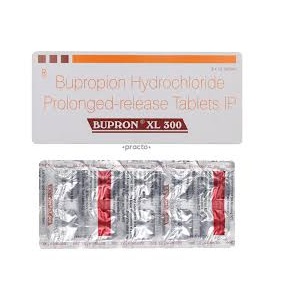
Bupropion: A Complete Guide to Its Uses, Effects, and Clinical Insights
Bupropion is a medication that consistently stands out in modern psychiatry—not because it fits neatly into traditional antidepressant categories, but because it refuses to. It behaves differently, works differently, and often feels different for the people who take it. At UkModafinil, we understand that general readers want clarity without clinical overwhelm. This guide blends scientific accuracy with real-world observations to help you understand what bupropion is, how it works, and what physicians often see in day-to-day practice.
What Is Bupropion?
Bupropion is an atypical antidepressant that affects dopamine and norepinephrine—two neurotransmitters deeply responsible for mood, motivation, energy, and reward pathways. It was first approved in the 1980s and remains one of the few antidepressants that does not primarily target serotonin.
This distinction makes it valuable for people who either:
-
Don’t respond well to SSRIs/SNRIs
-
Experience sexual dysfunction from other antidepressants
-
Need an option that improves energy and cognitive drive
-
Struggle with low motivation or anhedonia
In clinical contexts, physicians frequently describe bupropion as the medication for patients who “need their spark back.” It tends to be activating rather than sedating and may help restore a sense of mental momentum.
How Bupropion Works in the Brain (Explained Simply)
From a pharmacology perspective, bupropion is a norepinephrine–dopamine reuptake inhibitor (NDRI). It blocks transporter proteins that normally sweep these neurotransmitters back into neurons.
The result is a temporary increase in:
-
Dopamine availability → improved motivation and reward processing
-
Norepinephrine activity → improved alertness, focus, and energy
This mechanism makes bupropion distinct from stimulant medications like Adderall or nootropic agents such as smart drugs like Modafinil in the UK, which promote wakefulness through dopaminergic and orexin pathways. Bupropion’s mechanism is subtler—but still clinically meaningful.
Conditions Bupropion Is Commonly Used For
Although originally marketed as an antidepressant, bupropion now has several evidence-based uses.
1. Major Depressive Disorder (MDD)
Bupropion is FDA-approved for major depression and is frequently used when patients cannot tolerate SSRIs.
Typical clinical patterns observed:
-
Greater improvement in energy and concentration
-
Lower rates of sexual side effects
-
Beneficial for patients with “emotional blunting” from serotonin-based medications
2. Seasonal Affective Disorder (SAD)
A specific extended-release formulation (XL) is approved for preventing seasonal depression episodes.
3. Smoking Cessation
Marketed as Zyban, bupropion reduces nicotine cravings and withdrawal intensity.
4. ADHD (Off-Label but Widely Researched)
While bupropion is not a stimulant, it can improve attention and reduce distractibility in some individuals with ADHD—especially those who prefer to avoid stimulant medications or who don’t respond well to them.
In comparative contexts, many individuals explore wake-promoting agents like Waklert, Modvigil, or Artvigil to support focus and productivity. These operate differently from bupropion but can intersect in patient decision-making discussions about energy and cognitive function.
Bupropion vs. Other Common Antidepressants
Here’s a simple comparison:
|
Feature |
Bupropion |
SSRIs (e.g., sertraline) |
SNRIs (e.g., venlafaxine) |
|---|---|---|---|
|
Primary Action |
↑ Dopamine, ↑ Norepinephrine |
↑ Serotonin |
↑ Serotonin + ↑ Norepinephrine |
|
Sedation Level |
Low (usually activating) |
Moderate |
Variable |
|
Sexual Side Effects |
Very low |
Moderate–high |
Moderate–high |
|
Weight Change |
Often weight-neutral or slight loss |
Weight gain possible |
Weight gain possible |
|
Risk of Emotional Blunting |
Low |
High |
Moderate |
This table reflects broad clinical trends—individual responses vary widely.
How Long Does Bupropion Take to Work?
Most patients notice early improvements in:
-
Energy
-
Motivation
-
Concentration
…within 1–2 weeks.
However, full antidepressant effects may take 4–6 weeks.
What Forms and Dosages Does Bupropion Come In?
The drug is available in three main formulations:
-
IR (Immediate-release): taken 2–3 times daily
-
SR (Sustained-release): taken twice daily
-
XL (Extended-release): taken once daily
Typical dosage range:
-
150–300 mg/day, with some patients reaching 450 mg under medical supervision
Benefits of Bupropion: What Patients Commonly Report
Here are some recurring themes physicians hear from patients:
1. Improved Energy and Drive
Unlike sedating antidepressants, it often restores a sense of internal momentum.
2. Sharper Cognitive Function
Many users describe:
-
Clearer thinking
-
Less “mental fog”
-
Improved task initiation
These cognitive-enhancing properties are part of why individuals also explore nootropics like Modaheal or classical agents such as Nootropil—although bupropion itself is not classified as a nootropic.
3. Weight Neutrality
Unlike other antidepressants, bupropion rarely causes weight gain.
4. Minimal Sexual Side Effects
This makes it a preferred option for individuals who want to avoid libido-reducing medications.
5. No Sedation
For those who struggle with daytime sleepiness from SSRIs or medications like Gabapentin (linked once: , this difference matters.
Possible Side Effects
Most adverse effects are mild and temporary.
Common:
-
Dry mouth
-
Insomnia
-
Headache
-
Mild anxiety
-
Faster heart rate
Less Common but Clinically Significant:
-
Increases in blood pressure
-
Mood swings
-
Agitation
Seizure Risk
The most widely discussed risk is seizure threshold reduction.
Risk is highest at:
-
Doses above 450 mg/day
-
Sudden dose increases
-
Use in individuals with eating disorders (electrolyte disturbances increase risk)
For typical users at standard doses, seizure risk remains low.
Who Should Avoid Bupropion?
This medication is not recommended for individuals with:
-
A history of seizures
-
Current eating disorders (anorexia or bulimia)
-
Recent alcohol or sedative withdrawal
-
Uncontrolled hypertension
Pregnant or breastfeeding individuals should consult a specialist.
Interactions and Precautions
Bupropion interacts with several medication classes.
1. MAOIs
Must not be combined due to risk of hypertensive crisis.
2. Drugs metabolised by CYP2B6
Because bupropion inhibits this enzyme, blood levels of co-administered medications may rise.
3. Stimulants
Combining with stimulants—including amphetamine-based medications or wake-promoting agents —should be done only under clinical guidance due to additive cardiovascular or anxiety-related effects.
4. Dopaminergic Agents
Examples include Selegiline or Parkinson’s medications. Combining them may heighten dopaminergic activity.
How Bupropion Compares to Wakefulness Medications
People sometimes confuse this medicine with wake-promoting agents because both improve alertness. But they work differently.
|
Feature |
Bupropion |
Eugeroics (e.g., Modafinil Family) |
|---|---|---|
|
Drug Class |
Antidepressant (NDRI) |
Wake-promoting agent |
|
Mechanism |
Inhibits dopamine & norepinephrine reuptake |
Enhances orexin & histamine pathways; weak dopamine reuptake inhibition |
|
Onset |
Days to weeks |
30–60 minutes |
|
Approved Uses |
Depression, SAD, smoking cessation |
Narcolepsy, shift-work disorder |
|
Off-Label Uses |
ADHD |
Cognitive enhancement, fatigue, productivity |
Eugeroics include popular modafinil brands such as Modvigil, Modalert, Modawake, and others. Bupropion lacks the immediate alertness boost found in these compounds, though it can create a steadier long-term improvement in cognitive energy.
Bupropion vs. Nootropics
Classical nootropics like Nootropil or racetams act primarily on AMPA receptors or acetylcholine pathways. Bupropion, however:
-
Works through dopamine and norepinephrine
-
Has antidepressant approvals
-
Has significant mood-modulating effects
Thus, while both may enhance cognition, they belong to entirely different pharmacological families.
What Real-World Patients Often Experience
Clinicians frequently describe three categories of patient experiences:
1. “The Activation Effect”
Patients report:
-
Easier task initiation
-
Less procrastination
-
More stable daytime energy
2. Mood Brightening Without Emotional Blunting
Bupropion tends to:
-
Preserve emotional range
-
Reduce hopelessness
-
Increase reward responsiveness
3. Improved Self-Regulation
Patients notice fewer “dopamine lows,” especially when treating attention deficits or depression with lethargy.
What Happens If You Miss a Dose?
For SR/XL versions:
-
Take the missed dose if remembered within a few hours.
-
Skip if close to next dose.
-
Never double up—this increases seizure risk.
Tips for Getting the Best Results
These insights come from accumulated clinical practice:
1. Take Early in the Day
Reduces risk of insomnia.
2. Allow Several Weeks for Mood Effects
Energy may improve sooner, but emotional changes take longer.
3. Avoid Heavy Alcohol Use
Both bupropion and alcohol can lower the seizure threshold.
4. Discuss Combination Therapy
Some patients use bupropion alongside serotonergic medications to offset sexual side effects—a strategy known as “antidepressant augmentation.”
5. Track Mood and Energy Weekly
This helps clinicians adjust doses effectively.
Frequently Asked Questions
Is bupropion addictive?
No. It does not create classic dopamine surges associated with addiction.
Can bupropion cause anxiety?
In activating individuals, yes—but this typically resolves within 1–2 weeks or with dose adjustment.
Is it safe to combine bupropion with modafinil or armodafinil?
It can be, but never without medical supervision due to:
-
Increased blood pressure
-
Elevated heart rate
-
Possible overstimulation
Does it help with libido?
It may improve libido, especially in individuals switching from SSRIs.
Does it help with smoking cessation?
Yes—through dopamine modulation and reduction of nicotine withdrawal symptoms.
When to Speak to a Healthcare Professional
Seek medical advice if you experience:
-
Severe anxiety or agitation
-
Hallucinations
-
Rapid heartbeat
-
Severe headaches
-
Allergic reactions
-
Worsening depression or suicidal thoughts
While bupropion has a strong safety profile, professional monitoring is vital.
Authoritative External Sources
(Selected based on relevance, credibility, and current medical guidance)
-
FDA Bupropion Label – Pharmacology, Indications & Safety
https://www.accessdata.fda.gov/drugsatfda_docs/label/2019/018644s052lbl.pdf -
National Institutes of Health – Bupropion Drug Information
https://medlineplus.gov/druginfo/meds/a695033.html
These sources provide in-depth regulatory and pharmacokinetic information for readers wanting further detail.
Conclusion: Is Bupropion Right for You?
Bupropion remains one of the most versatile and clinically valuable antidepressants available today. Its energising profile, unique neurochemical mechanism, and low side-effect burden make it appealing for individuals struggling with motivation, low mood, cognitive fatigue, or nicotine dependence.
At UkModafinil, we aim to empower readers with clear, evidence-based information. Whether you’re considering bupropion alone or comparing it with wake-promoting agents , understanding how these medications differ is the first step toward informed, safe decision-making.
If you’re exploring treatment options for depression, attention difficulties, or chronic fatigue, speak with a qualified clinician. Each person’s neurochemistry is unique—and so is the medication that works best for them.


Reviews
There are no reviews yet.