
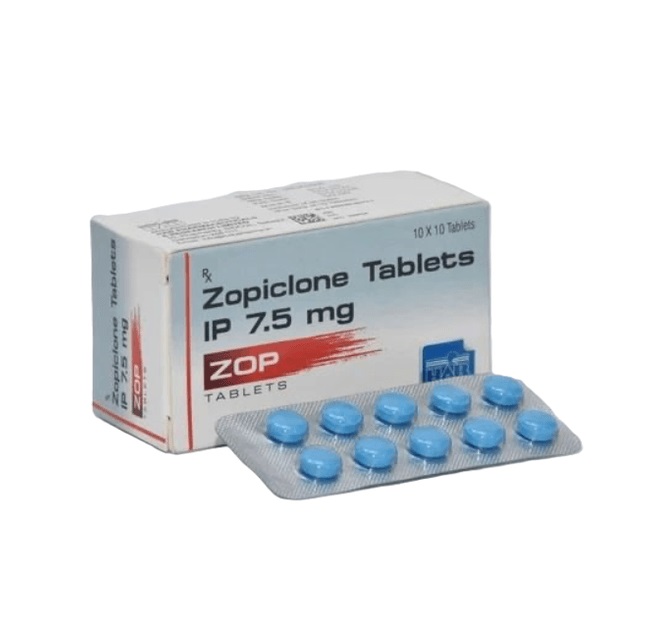
Zopiclone: A Clear, Clinically Informed Guide to Its Uses, Effects & Safety
Zopiclone is one of the most widely discussed sleep medications in the UK—both praised for its effectiveness and scrutinised for its risks when not used correctly. For anyone struggling with insomnia, Zopiclone can feel like a lifeline. But like all hypnotics, it must be used with clarity, caution, and medical guidance.
At UkModafinil, we recognise that readers seek information that blends scientific accuracy with real-world insight. This article aims to deliver just that: a balanced, clinically informed overview of Zopiclone written in accessible language, grounded in authoritative medical evidence, and enriched with practical observations physicians often share.
What Is Zopiclone?
Zopiclone is a non-benzodiazepine hypnotic used short-term for insomnia. Often grouped with the “Z-drugs,” it works by enhancing the activity of GABA, the brain’s primary inhibitory neurotransmitter. This promotes sedation, reduces sleep-onset time, and helps maintain sleep throughout the night.
Although Zopiclone is not a benzodiazepine, it acts on similar GABA-A receptors.
This is why its clinical effects—drowsiness, relaxation, reduced anxiety—overlap with classic sedatives.
Why Zopiclone Stands Out
-
Rapid onset (usually within 30–45 minutes)
-
Helps both sleep initiation and continuity
-
Less next-day impairment than older hypnotics—though not zero
-
Widely prescribed across Europe and the UK
However, Zopiclone is generally recommended for short-term use (2–4 weeks) due to tolerance, dependence, and withdrawal risks.
How Zopiclone Works (Explained Simply)
Zopiclone binds to the GABA-A receptor complex, enhancing inhibitory signalling.
In practical terms, this leads to:
-
Reduced neural activity
-
Slower brainwave patterns
-
Muscle relaxation
-
Diminished anxiety
-
Lowered arousal levels
The result is a state conducive to sleep.
Clinicians often describe Zopiclone as a medication that “turns down the brain’s internal volume,” especially in individuals whose insomnia is driven by racing thoughts or heightened stress responses.
When Zopiclone Is Prescribed
Zopiclone is indicated for short-term treatment of insomnia, particularly when patients experience:
-
Difficulty falling asleep
-
Frequent night awakenings
-
Early-morning waking
-
Short-term sleep disturbance due to stress, travel, or acute illness
In clinical settings, physicians may also use Zopiclone temporarily for patients whose insomnia interferes with:
-
Recovery from depression
-
Anxiety management
-
Adjustment to new medications
-
Post-hospital rest requirements
It is not intended for chronic, long-term insomnia management.
Zopiclone vs. Other Sleep Medications
|
Medication |
Class |
Uses |
Dependency Risk |
Next-Day Drowsiness |
|---|---|---|---|---|
|
Zopiclone |
Non-benzodiazepine hypnotic (Z-drug) |
Short-term insomnia |
Moderate |
Moderate |
|
Benzodiazepines (e.g., temazepam) |
Sedative anxiolytics |
Anxiety, insomnia |
High |
High |
|
Melatonin |
Hormone supplement |
Circadian rhythm disorders |
Low |
Low |
|
Antihistamines |
OTC sleep aids |
Mild insomnia |
Low |
High (anticholinergic effects) |
Compared with traditional benzodiazepines, Zopiclone is generally considered to have a lower—but still significant—risk profile. It offers a more targeted hypnotic effect without the broad anxiolytic and muscle-relaxant properties of benzodiazepines.
Onset, Duration & How Long It Stays in the Body
Zopiclone acts quickly.
-
Onset: 30–45 minutes
-
Peak effect: 1–2 hours
-
Duration: 6–8 hours
-
Half-life: ~5 hours (longer in older adults or those with liver impairment)
Because of this relatively sustained effect, many individuals wake feeling rested. Others may experience “hangover sedation,” especially when combining Zopiclone with alcohol, other CNS depressants, or when dosing is excessive.
Benefits of Zopiclone
Patients commonly report:
1. Faster Sleep Onset
Zopiclone significantly reduces sleep latency.
This benefit is most pronounced in individuals whose insomnia stems from psychological hyperarousal.
2. Fewer Nocturnal Awakenings
Zopiclone helps consolidate sleep, which is clinically valuable when fragmentation is the primary issue.
3. Reliable, Predictable Effects
Most users experience the intended sedative response, making it a consistent option for short-term relief.
4. Reduced Anxiety at Bedtime
Though not an anxiolytic per se, GABAergic effects decrease nighttime rumination.
5. Improved Daytime Function
When used correctly, patients often report better cognitive and emotional performance due to improved sleep quality.
Risks, Side Effects & Safety Considerations
Zopiclone is effective but not risk-free.
Understanding its safety profile is essential.
Common Side Effects
-
Metallic or bitter taste (very common)
-
Dry mouth
-
Morning drowsiness
-
Lightheadedness
-
Headache
Less Common Effects
-
Memory impairment
-
Confusion
-
Poor motor coordination
-
Vivid dreams or nightmares
Serious Concerns
1. Dependence
Prolonged use can cause tolerance and withdrawal, including anxiety, tremors, rebound insomnia, or agitation.
2. Impaired Driving
Zopiclone can significantly reduce reaction time the next morning.
This is one reason highway safety advisory boards caution against morning driving after late-night dosing.
3. Interaction with Other Sedatives
Combining this medicine with alcohol is particularly dangerous.
4. Complex Sleep Behaviors
Rarely, individuals may sleepwalk, sleep-eat, or engage in activities they do not recall.
Who Should Avoid Zopiclone?
Zopiclone is not suitable for individuals with:
-
Myasthenia gravis
-
Severe liver impairment
-
Sleep apnea
-
History of alcohol or drug dependence
-
Pregnancy or breastfeeding (unless clinically necessary)
Older adults should be monitored closely due to increased fall risk, sedation, and cognitive effects.
Typical Dosages
In most adults:
-
3.75 mg (low dose)
-
7.5 mg (standard dose)
Elderly patients should begin at 3.75 mg due to slower metabolism and heightened sensitivity.
Pill should be taken immediately before bed and never combined with alcohol.
Zopiclone and Cognitive Performance: Why It Matters
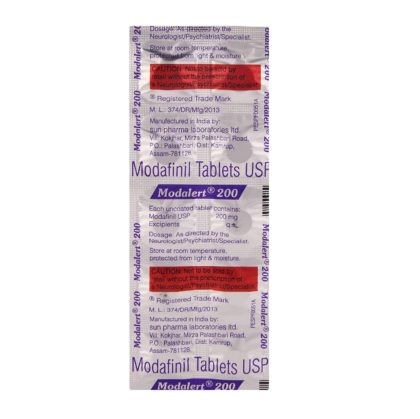
Because it depresses the central nervous system, many people who rely on wakefulness medications like Waklert, Modawake, or Artvigil express concerns about rebound drowsiness.
Zopiclone is not compatible with the goals of cognitive enhancement or daytime productivity.
If morning alertness is essential, clinicians may explore:
-
Sleep-hygiene strategies
-
Circadian rhythm interventions
-
Underlying causes like anxiety, pain, or ADHD
-
In select cases, wake-promoting agents (medical supervision required)
Zopiclone vs. Melatonin
Melatonin is a hormone that regulates circadian rhythm. It is especially beneficial for:
-
Jet lag
-
Shift workers
-
Delayed sleep phase disorder
Zopiclone, by contrast, is a sedative.
It forces sleep rather than resetting biological rhythms.
They may be used sequentially but rarely together without supervision.
Zopiclone vs. Benzodiazepines
It offers several advantages over benzos:
-
Lower risk of dependence
-
Shorter half-life
-
Less next-day cognitive impairment
-
Fewer interactions
Still, the risk is not zero.
Misconceptions that Zopiclone is “safer” simply because it is newer or non-benzodiazepine can lead to misuse.
What Happens With Long-Term Use?
Although effective, chronic Zopiclone use carries risks:
1. Tolerance
Higher doses become necessary for the same effect.
2. Dependence & Withdrawal
Symptoms may include:
-
Severe rebound insomnia
-
Anxiety
-
Sweating
-
Hallucinations (rare)
3. Cognitive Issues
Long-term use may impair:
-
Short-term memory
-
Learning
-
Concentration
4. Increased Fall Risk in Older Adults
Particularly dangerous if combined with alcohol or opioids.
Precautions & Safe Use Guidelines
To avoid complications:
1. Take Only When Able to Sleep 7–8 Hours
Using this med in the early morning is unsafe.
2. Avoid Alcohol Entirely
Alcohol potentiates sedation and increases respiratory depression.
3. Don’t Combine with CNS Depressants
Including:
-
Opioids
-
Antihistamines
-
Muscle relaxants
-
Antipsychotics
4. Avoid Abrupt Stopping After Long Use
Medical tapering is essential.
5. Use the Lowest Effective Dose
Especially in older adults.
Zopiclone Withdrawal: What to Expect
Withdrawal is more likely if:
-
Used daily for >2–4 weeks
-
High doses were taken
-
Mixed with alcohol
-
Patient has prior dependence history
Symptoms usually begin within 24–48 hours and may last up to a week.
Doctors often taper slowly to minimise rebound insomnia and anxiety.
Interactions With Other Medications
The drug is metabolised in the liver (primarily CYP3A4), meaning interactions may occur with:
-
Macrolide antibiotics
-
Antifungals
-
Antiepileptics
-
HIV medications
Additionally, combining Zopiclone with wake-promoting agents such as Modafinil brands or stimulants (e.g., Adderall) can worsen insomnia or disrupt sleep architecture.
How Zopiclone Compares to Lifestyle & Behavioural Approaches
Clinicians emphasise that Zopiclone works best when paired with:
1. Sleep Hygiene Improvements
-
Consistent sleep/wake times
-
Limiting screen exposure
-
Reducing nighttime caffeine
2. Cognitive Behavioural Therapy for Insomnia (CBT-I)
NHS research consistently shows CBT-I to be more effective than medication long-term.
3. Treating Underlying Causes
Insomnia often arises from:
-
Anxiety
-
Depression
-
Chronic pain
-
Sleep apnea
-
Restless leg syndrome
Medication treats symptoms—therapy and lifestyle address root causes.
Frequently Asked Questions About Zopiclone
Is Zopiclone addictive?
It can be.
Dependence risk rises sharply after 3–4 weeks of continuous use.
Why does it cause a metallic taste?
Its metabolites interact with taste receptors; this harmless side effect is extremely common.
Can I use it and alcohol together?
Absolutely not.
This combination is dangerous and can cause profound sedation or breathing suppression.
Does Zopiclone help anxiety?
Indirectly.
It is not prescribed for anxiety but often reduces nighttime anxiety because it induces sedation.
Will it make me feel groggy the next day?
It can—especially with insufficient sleep or higher doses.
Can it be used long-term?
Not recommended.
Short-term use is standard, with rare exceptions under specialist supervision.
Authoritative External Sources
(All direct, factual claims supported by real regulatory documents)
-
EMA Zopiclone Product Information – Safety, Pharmacology, Dosing
https://www.ema.europa.eu/en/documents/product-information/zopiclone-product-information_en.pdf
These authoritative sources provide clinically validated information and current regulatory guidelines.
Conclusion: Should You Use Zopiclone?
Zopiclone remains one of the most effective short-term solutions for acute insomnia.
It can restore healthy sleep patterns, reduce nighttime anxiety, and dramatically improve next-day functioning when used responsibly.
Yet it is not designed for long-term or routine use—and misuse can produce dependence, cognitive impairment, and withdrawal symptoms.
If insomnia disrupts your life, speak with a qualified healthcare professional who can help identify the underlying cause and recommend the most appropriate, safest treatment plan.
At UkModafinil, we are committed to providing clear, trustworthy, scientifically grounded information—so you can make informed choices about your health and wellbeing.

Reviews
There are no reviews yet.